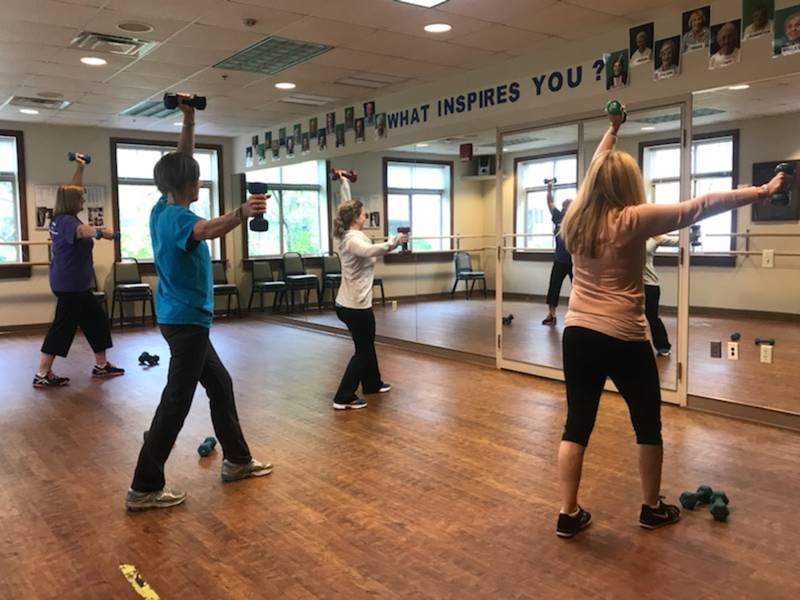

Aerobics and Chronic Disease Prevention: How a Gym Fitness Program Strengthens Heart Health and Lowers Diabetes Risk

Chronic diseases are becoming one of the biggest public health challenges worldwide, and Singapore is no exception. With long working hours, desk-bound jobs, and sedentary lifestyles, many Singaporeans face increased risks of cardiovascular diseases, diabetes, and hypertension. While medication and diet play vital roles in prevention, exercise remains one of the most effective and sustainable solutions.
A structured gym fitness program centred on aerobics offers a powerful way to combat chronic health conditions naturally. Through consistent movement, controlled intensity, and mindful breathing, aerobics enhances heart function, regulates blood sugar, and improves overall metabolic efficiency. More importantly, it builds a routine that can be maintained across all age groups and fitness levels.
The Growing Concern of Lifestyle Diseases in Singapore
According to data from Singapore’s Ministry of Health, lifestyle-related diseases such as diabetes, obesity, and hypertension have steadily increased over the past two decades. One in three Singaporeans is at risk of developing diabetes in their lifetime. Heart-related issues are also among the leading causes of death and hospitalisation.
These conditions are often the result of modern work culture, limited physical activity, and poor diet habits. Many professionals spend long hours sitting at computers or commuting, leading to low calorie expenditure and reduced cardiovascular fitness. Over time, this lifestyle causes the body’s metabolism to slow down and insulin sensitivity to drop.
In such an environment, regular aerobic exercise provides a highly accessible, drug-free way to improve long-term health and quality of life.
Understanding Aerobics and Its Mechanism
Aerobics refers to rhythmic, continuous physical activity that increases the heart rate while maintaining controlled breathing. It relies primarily on oxygen to meet energy demands, strengthening both the heart and lungs. Examples include step classes, dance aerobics, spinning, and rhythmic cardio routines.
When practised regularly within a gym fitness program, aerobics trains the body to use oxygen efficiently, improves circulation, and enhances energy levels throughout the day.
Key physiological benefits:
-
Strengthens the cardiovascular system
-
Increases lung capacity
-
Improves insulin sensitivity
-
Reduces LDL (bad cholesterol) and raises HDL (good cholesterol)
-
Enhances mood and reduces fatigue
These combined effects make aerobics a cornerstone of chronic disease prevention.
The Connection Between Aerobics and Heart Health
The heart is a muscle, and like any muscle, it becomes stronger with regular use. During aerobic activity, the heart pumps blood more efficiently, improving circulation and reducing pressure on the arteries. This process lowers the risk of plaque buildup and other cardiovascular complications.
How aerobics protects your heart:
-
Lowers resting heart rate: A stronger heart requires fewer beats per minute to pump the same amount of blood.
-
Reduces blood pressure: Regular activity helps arteries stay flexible and reduces stiffness that contributes to hypertension.
-
Enhances oxygen transport: Improved lung capacity ensures better oxygen delivery to cells, reducing fatigue and strain.
-
Balances cholesterol levels: Aerobic exercise raises HDL and decreases LDL, improving arterial health.
By training regularly, you condition your cardiovascular system to function efficiently even under stress, reducing the risk of heart attack and stroke.
Managing Blood Sugar and Diabetes Through Aerobics
One of the most important benefits of aerobics is its role in regulating blood glucose. When you engage in rhythmic movement, your muscles consume more glucose for energy, lowering blood sugar levels. Over time, this increases insulin sensitivity — meaning your body requires less insulin to process the same amount of sugar.
For individuals at risk of Type 2 diabetes, consistent participation in aerobic training can delay or even prevent disease onset. For those already managing diabetes, it helps stabilise blood sugar fluctuations and improve medication effectiveness.
Additional diabetic management benefits:
-
Promotes healthy body weight and fat distribution.
-
Increases muscle glucose uptake, reducing post-meal sugar spikes.
-
Enhances liver function and glucose storage capacity.
-
Reduces inflammation linked to insulin resistance.
The key lies in consistency rather than intensity. Even moderate sessions done several times a week can deliver measurable metabolic improvements.
The Role of Aerobics in Weight Control and Obesity Prevention
Excess body weight is one of the main risk factors for chronic disease. It increases stress on the heart, joints, and endocrine system. Aerobics effectively burns calories while preserving lean muscle mass. When paired with balanced nutrition, it creates a sustainable calorie deficit that supports healthy weight loss.
Unlike extreme diets or high-intensity routines that cause burnout, a well-planned aerobic program promotes gradual, lasting results.
Why aerobics works for weight management:
-
Encourages steady fat burning through controlled heart rate zones.
-
Stimulates metabolism even after workouts through the “afterburn” effect.
-
Reduces visceral fat, the harmful fat around organs.
-
Builds endurance that enables longer and more frequent sessions.
Maintaining a healthy weight not only reduces diabetes risk but also lowers blood pressure and improves joint health.
Aerobics and Inflammation Control
Chronic inflammation is a silent trigger behind many diseases, including heart conditions and insulin resistance. Regular aerobic activity helps regulate inflammatory markers in the blood by balancing immune function and improving circulation.
This process also promotes better oxygenation of tissues, leading to faster recovery and lower oxidative stress levels — a crucial factor in disease prevention.
Anti-inflammatory benefits include:
-
Lower C-reactive protein (CRP) levels.
-
Improved endothelial (blood vessel) function.
-
Enhanced immune system efficiency.
-
Reduced fatigue and muscle soreness.
When combined with proper rest and hydration, aerobics becomes a powerful natural therapy for inflammation management.
The Mental Health Link: Reducing Stress to Protect Physical Health
Chronic stress contributes to heart disease and diabetes by raising cortisol and adrenaline levels, which affect blood pressure, appetite, and glucose metabolism. Aerobics provides a double advantage by addressing both physical and emotional triggers of disease.
The rhythmic, music-driven nature of aerobic classes makes them therapeutic. They encourage mindfulness, endorphin release, and positive social engagement. Over time, this leads to improved emotional stability and lower stress hormone production.
Psychological benefits of aerobics:
-
Reduces anxiety and depression symptoms.
-
Improves sleep quality.
-
Boosts confidence and body image.
-
Creates consistency through structured routine.
By managing stress naturally, aerobics indirectly supports every other aspect of chronic disease prevention.
Aerobics for Blood Pressure Regulation
Hypertension is often called the “silent killer” because it shows few symptoms until complications arise. Regular aerobic workouts condition blood vessels to expand and contract efficiently, reducing systemic pressure.
According to multiple studies, consistent aerobic exercise can lower systolic and diastolic blood pressure by an average of 5 to 8 mmHg — similar to the effect of some prescription medications.
Effective ways to maintain healthy blood pressure:
-
Engage in 30–45 minutes of moderate-intensity aerobics at least three times weekly.
-
Focus on breathing techniques during movement.
-
Maintain hydration to stabilise electrolyte balance.
-
Limit caffeine and alcohol intake post-workout.
Small, consistent steps make the biggest difference in long-term cardiovascular stability.
The Longevity Factor: Sustainable Health for Life
Aerobics is not just about short-term fitness; it is about long-term vitality. Unlike high-intensity regimes that can cause burnout or injuries, aerobic training is gentle enough to continue throughout one’s lifetime.
Whether performed in a gym, at home, or in a community class, it helps individuals maintain strength, flexibility, and cardiovascular endurance as they age.
Benefits for ageing adults:
-
Prevents muscle loss (sarcopenia).
-
Supports bone density and balance.
-
Enhances cognitive function and memory.
-
Lowers the risk of age-related diseases.
A lifelong commitment to a structured gym fitness program builds the foundation for independence and quality of life well into senior years.
Real-Life Example: Turning Health Around with Aerobics
Consider the case of Aaron, a 50-year-old banker who was diagnosed with high cholesterol and borderline diabetes. After years of long workdays and minimal activity, he decided to join an aerobic training program.
Within three months of consistent participation, his blood sugar readings improved, his waistline reduced, and his resting heart rate dropped. His doctor noticed measurable improvement in lipid profiles, and Aaron reported better sleep and energy levels.
His experience highlights how lifestyle adjustments, not just medication, can reverse early disease symptoms.
Best Practices for Disease Prevention Through Aerobics
To maximise the preventive benefits of aerobics, a strategic approach is necessary. Random workouts without progression or consistency often yield minimal results.
Key principles:
-
Consistency over intensity: It is better to train regularly at moderate effort than push too hard once a week.
-
Balanced routine: Combine aerobic workouts with strength and mobility training for total body conditioning.
-
Nutrition alignment: A healthy diet amplifies exercise benefits, especially for metabolic health.
-
Adequate recovery: Rest allows muscles and organs to adapt, preventing burnout.
-
Monitor progress: Track heart rate, endurance levels, and mood improvements over time.
This balance ensures steady improvement without excessive fatigue or injury.
How to Choose the Right Aerobics Routine
The beauty of aerobics lies in its diversity. Depending on fitness level, preferences, and health goals, you can choose from a range of formats that suit your needs.
Options include:
-
Low-impact aerobics: Ideal for beginners or those with joint concerns.
-
Step or dance aerobics: Fun, high-energy routines that boost coordination.
-
Water aerobics: Excellent for seniors or individuals with mobility limitations.
-
Group sessions: Offer motivation and social support for consistency.
Professional guidance from trainers ensures safe progression, appropriate intensity, and alignment with personal health goals.
Integrating Aerobics into Daily Life
Adopting aerobics as part of your lifestyle does not require drastic changes. Small adjustments in routine can make a huge difference.
Practical tips:
-
Schedule workouts in your calendar as non-negotiable appointments.
-
Join group classes for accountability.
-
Track progress using fitness apps or wearable devices.
-
Reward yourself for consistency rather than results.
Over time, these habits transform exercise from a chore into an enjoyable and essential part of your life.
FAQ: Real-Life Questions About Aerobics and Disease Prevention
Q. How often should I do aerobics for heart and diabetes prevention?
Aim for at least 150 minutes of moderate aerobic activity per week, divided across three to five sessions.
Q. Is aerobics safe for people with high blood pressure?
Yes, it is one of the most recommended forms of exercise for hypertension. However, consult a doctor before starting any new program.
Q. Can aerobics replace medication for diabetes or cholesterol?
While aerobics helps manage these conditions, it should complement medical advice, not replace prescribed treatment.
Q. What is the best time of day for aerobic exercise?
Any time works, but morning sessions often help regulate blood sugar and energy levels throughout the day.
Q. Can I do aerobics at home instead of joining a gym?
Yes, but structured classes at fitness centres ensure proper guidance, safety, and motivation for long-term results.
A consistent gym fitness program that emphasises aerobics is one of the most reliable and natural defences against chronic diseases. It enhances heart health, regulates metabolism, and strengthens the body’s resilience from the inside out.
By embracing this lifestyle, you invest in decades of health and vitality. If you are ready to take control of your fitness journey, join TFX — where professional guidance and science-backed training come together to build a healthier, disease-free future.