
Cardiovascular Adaptation Through BodyCombat Training in Urban Adults
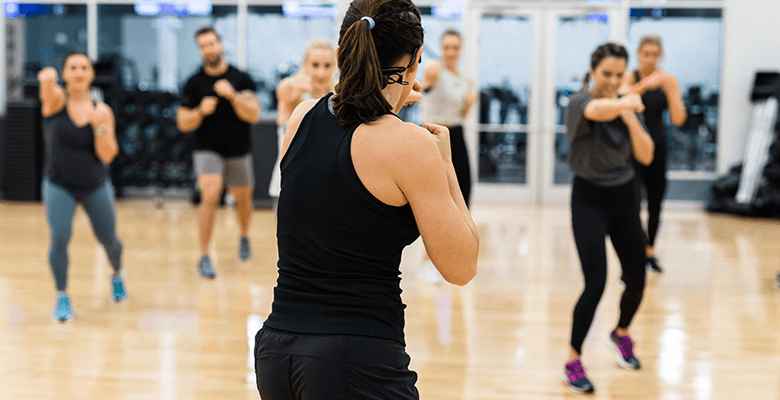
In Singapore’s high-pressure work culture, cardiovascular health is often compromised by long sitting hours, mental stress, and inconsistent movement patterns. Structured group workouts that deliver both intensity and rhythm have become increasingly relevant for adults who want measurable heart health benefits without monotonous routines. A bodycombat class offers a dynamic cardiovascular stimulus that challenges the heart, lungs, and vascular system in a way that traditional steady cardio often cannot match.
This article explores how BodyCombat training drives cardiovascular adaptation over time. Rather than focusing on introductory explanations, it examines how repeated exposure to high-intensity combat style movement improves heart efficiency, circulation, recovery capacity, and long-term cardiovascular resilience for adults living in an urban environment.
Understanding Cardiovascular Adaptation in High-Intensity Training
Cardiovascular adaptation refers to the heart and blood vessels becoming more efficient at delivering oxygen and nutrients throughout the body. This includes changes such as:
-
Increased stroke volume, meaning the heart pumps more blood per beat
-
Improved oxygen extraction by working muscles
-
Lower resting heart rate over time
-
Faster recovery after physical and mental stress
BodyCombat’s interval-driven structure is particularly effective at stimulating these adaptations because it alternates intensity peaks with controlled recovery phases.
Why Interval-Based Cardio Matters More Than Continuous Effort
Steady-state cardio keeps the heart rate within a narrow range. While beneficial, it does not challenge the cardiovascular system to adapt as aggressively. BodyCombat sessions fluctuate between moderate and high intensity, forcing the heart to respond quickly to changing demands. This variability improves cardiovascular flexibility, which is critical for daily life stress management.
Heart Rate Zone Training in BodyCombat Sessions
Each BodyCombat session naturally moves participants through multiple heart rate zones. This is not accidental. The choreography and music pacing are designed to create cardiovascular waves.
Aerobic Base Development
During longer sequences of continuous movement:
-
The heart strengthens its ability to sustain effort
-
Capillary density in muscles increases
-
Oxygen delivery becomes more efficient
This aerobic foundation supports endurance, daily energy levels, and long-term heart health.
Anaerobic Capacity and Cardiac Power
Short bursts of high-intensity strikes and kicks push the heart rate toward upper zones. These segments:
-
Increase cardiac output under stress
-
Improve tolerance to rapid heart rate elevation
-
Train the body to clear metabolic by-products efficiently
Over time, this improves performance not only in workouts but also during physically demanding or stressful situations outside the gym.
Stroke Volume and Cardiac Efficiency
Stroke volume refers to the amount of blood the heart pumps with each beat. A higher stroke volume allows the heart to work less while delivering the same or greater output.
How BodyCombat Increases Stroke Volume
Repeated high-intensity intervals create a demand for rapid oxygen delivery. In response:
-
The heart muscle becomes stronger
-
Ventricular filling improves during recovery phases
-
Each heartbeat becomes more effective
This adaptation often results in a lower resting heart rate, which is a strong indicator of cardiovascular fitness.
Practical Benefits in Daily Life
Improved cardiac efficiency means:
-
Less fatigue during long workdays
-
Better stamina when climbing stairs or walking long distances
-
Reduced breathlessness during physical tasks
These improvements are especially valuable for adults who spend much of their day sedentary.
Blood Vessel Function and Circulatory Health
Cardiovascular fitness is not only about the heart. Blood vessels play a critical role in circulation and blood pressure regulation.
Improved Vascular Elasticity
High-intensity movement increases blood flow velocity, which stimulates the inner lining of blood vessels. Over time, this leads to:
-
Improved arterial flexibility
-
Better blood pressure regulation
-
Reduced strain on the cardiovascular system
BodyCombat’s repeated acceleration and deceleration of movement enhance this vascular response.
Peripheral Circulation and Muscle Oxygenation
The constant engagement of upper and lower body movements improves circulation to extremities. This supports:
-
Warmer hands and feet
-
Faster muscle recovery
-
Improved nutrient delivery to tissues
These benefits are often noticed after several weeks of consistent training.
Oxygen Uptake and VO2 Adaptation
VO2 max is a measure of the body’s ability to utilise oxygen during intense exercise. It is one of the strongest predictors of cardiovascular health.
Why BodyCombat Supports VO2 Improvements
The alternating intensity structure pushes the respiratory system to adapt quickly. Over time:
-
Lung ventilation efficiency improves
-
Oxygen diffusion becomes more effective
-
Muscles learn to use oxygen more efficiently
This results in higher energy availability during both exercise and daily activities.
Breathing Patterns and Performance
BodyCombat also encourages rhythmic breathing aligned with movement patterns. This helps participants:
-
Avoid shallow breathing
-
Improve breath control under exertion
-
Reduce breathlessness during intense sequences
These respiratory adaptations directly support cardiovascular efficiency.
Recovery Rate and Heart Health Indicators
Recovery heart rate is a key indicator of cardiovascular fitness. It measures how quickly the heart returns to normal after exertion.
Faster Recovery Between Efforts
Regular BodyCombat training improves autonomic nervous system balance. This allows:
-
Faster heart rate reduction post-exercise
-
Improved stress recovery after intense moments
-
Greater resilience to daily workload pressures
Participants often notice that their heart rate settles more quickly after workouts or stressful meetings.
Long-Term Health Implications
Improved recovery capacity is associated with:
-
Lower cardiovascular disease risk
-
Better stress tolerance
-
Enhanced overall longevity
These benefits make BodyCombat a valuable tool for preventive health.
BodyCombat and Blood Pressure Management
For adults with borderline or elevated blood pressure, controlled high-intensity exercise can be beneficial when approached consistently.
Post-Exercise Blood Pressure Response
After a BodyCombat session:
-
Blood vessels remain dilated for several hours
-
Blood pressure often drops below pre-exercise levels
-
Circulation efficiency improves temporarily
With regular training, these acute responses contribute to longer-term blood pressure regulation.
Importance of Progressive Adaptation
The key is consistency rather than extreme intensity. Allowing the cardiovascular system to adapt gradually leads to sustainable improvements without excessive strain.
Mental Stress, Cardiovascular Load, and BodyCombat
Mental stress places significant demand on the cardiovascular system. BodyCombat indirectly addresses this through physical exertion and psychological engagement.
Stress-Induced Heart Rate Control
Combat-inspired movement allows participants to channel stress physically. This:
-
Reduces resting heart rate variability caused by anxiety
-
Improves emotional regulation
-
Supports cardiovascular stability during stressful situations
The combination of music, movement, and focus creates a powerful stress-buffering effect.
Integrating BodyCombat Into a Long-Term Heart Health Strategy
For meaningful cardiovascular adaptation, BodyCombat should be part of a balanced training approach.
Effective strategies include:
-
Attending 2 to 4 sessions per week
-
Alternating high-intensity days with lighter activity
-
Prioritising hydration and sleep
-
Monitoring perceived exertion rather than chasing exhaustion
Over time, these habits support a stronger, more adaptable cardiovascular system.
Those looking for a structured environment, professional instruction, and long-term consistency often find value in established training communities such as True Fitness Singapore, where guided programming supports sustainable progress.
Real-Life FAQs
Q: How quickly can cardiovascular improvements be felt from BodyCombat?
A: Many participants notice improved stamina and reduced breathlessness within three to four weeks of consistent training, even before visible fitness changes appear.
Q: Is BodyCombat suitable for adults who have not done cardio in years?
A: Yes, provided intensity is self-managed. Participants can adjust range of motion and pacing while still gaining cardiovascular benefits.
Q: Can BodyCombat replace traditional cardio workouts?
A: For many adults, it can. The combination of aerobic and anaerobic stimuli offers comprehensive cardiovascular conditioning when done regularly.
Q: Does BodyCombat improve recovery from mental stress?
A: Yes. Improved heart rate recovery and autonomic balance help the body return to a calm state faster after stressful events.
Q: Should BodyCombat be combined with other forms of exercise for heart health?
A: Combining it with low-intensity movement like walking or mobility work can further enhance cardiovascular recovery and overall wellbeing.