
Essential Guide to Exercise: Benefits, Types, Tips & Routines

Regular physical activity fuels a healthier, more energetic lifestyle. It improves circulation, strengthens vital muscles, enhances brain function, and supports emotional well-being. Exercise isn’t limited to gym training; even simple daily movements contribute to a stronger body and clearer mind.
Key Benefits of Regular Exercise
Improved Physical Health
-
Supports heart health
-
Builds stronger muscles and bones
-
Enhances posture and balance
-
Boosts energy levels through improved oxygen flow
Mental and Emotional Advantages
-
Reduces stress and anxiety
-
Sharpens focus and cognitive ability
-
Elevates mood by increasing endorphins
-
Improves sleep quality
Weight Management and Metabolism
-
Helps maintain a healthy body weight
-
Increases metabolic rate
-
Supports long-term fat loss through sustained movement
Main Types of Exercise
1. Cardiovascular Training
This includes activities that raise your heart rate and improve endurance.
Examples: running, brisk walking, cycling, swimming, and dancing.
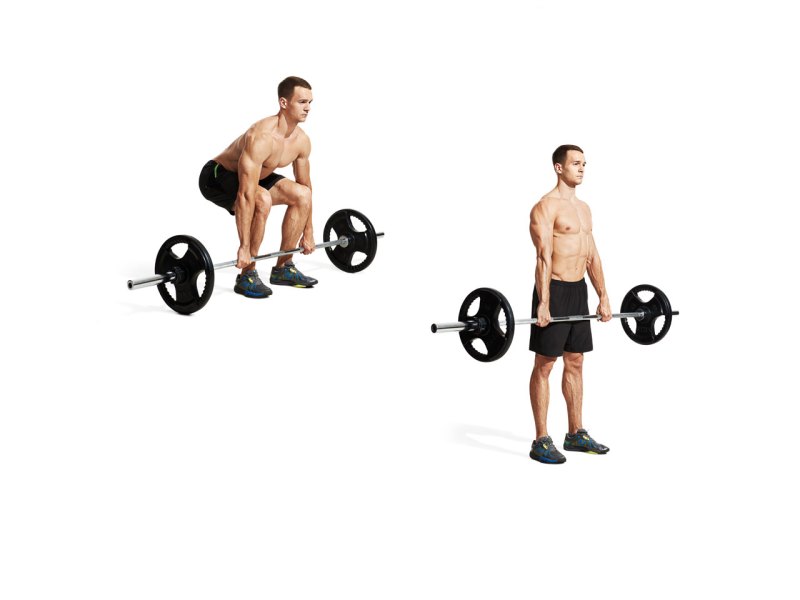
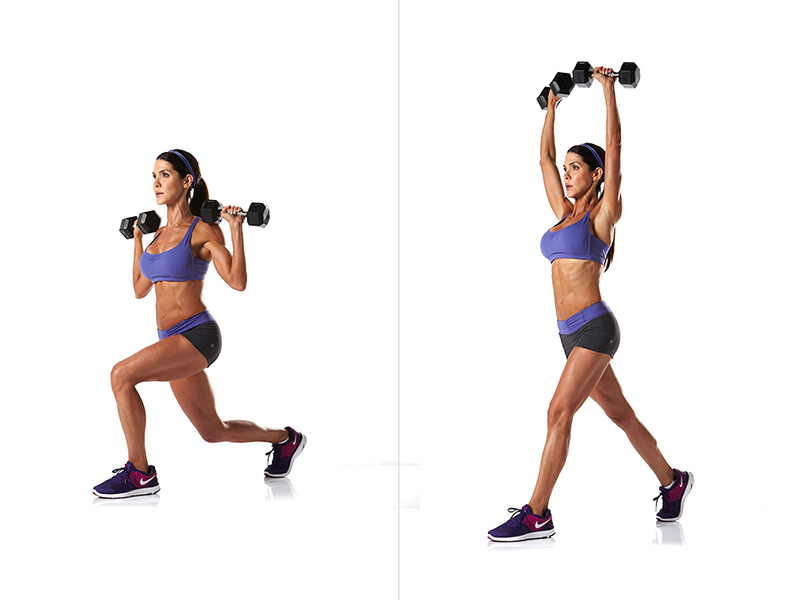
2. Strength Training
Designed to build muscle mass, strengthen bones, and enhance metabolism.
Examples: weightlifting, resistance band workouts, and bodyweight exercises.
3. Flexibility and Mobility Work
These activities promote joint health and reduce stiffness.
Examples: stretching routines, yoga, and Pilates.
4. Balance and Stability Training
Helps prevent injuries, improves coordination, and is especially beneficial as people age.
Examples: stability ball exercises, tai chi, and single-leg movements.
How to Start Exercising Safely
Begin Gradually
Starting small prevents injury and makes consistency easier. Even 10-minute sessions can build momentum.
Set Realistic Goals
Choose goals such as improving stamina, gaining strength, or increasing daily activity levels.
Mix Different Exercise Types
A balanced routine includes cardio, strength, and flexibility for complete fitness.
Prioritize Warm-Up and Cool-Down
Gentle stretching and light movement prepare the body for exercise and reduce soreness afterward.
Choose Enjoyable Activities
When you enjoy the workout, you’re more likely to stay committed long-term.
Sample Weekly Exercise Routine
Beginner-Friendly Plan
-
Day 1: 20 minutes brisk walking
-
Day 2: Simple strength training (bodyweight squats, push-ups, lunges)
-
Day 3: Gentle stretching or yoga
-
Day 4: 20–30 minutes cycling or jogging
-
Day 5: Upper-body strength workout
-
Day 6: Light mobility work
-
Day 7: Rest or easy movement
Intermediate Plan
-
3–4 days of strength training
-
2–3 days of moderate to intense cardio
-
Daily stretching and mobility work
Tips for Staying Consistent
Create a Routine
Scheduling workouts helps build discipline and reduces the chance of skipping sessions.
Track Your Progress
Monitoring improvements boosts motivation and highlights your achievements.
Stay Hydrated and Eat Well
Nutrition plays a major role in energy levels, muscle repair, and overall endurance.
Rest When Needed
Recovery is essential for progress and injury prevention.
FAQ
1. How much exercise should I aim for each week?
Most adults benefit from at least 150 minutes of moderate aerobic activity plus two strength-training sessions.
2. Is walking enough to stay fit?
Walking is highly effective for heart health and weight control, especially when done briskly and consistently.
3. What is the best time of day to exercise?
The best time is when you feel most energized and can maintain consistency.
4. Can I exercise without going to a gym?
Yes, home workouts, outdoor activities, and bodyweight routines can be just as effective.
5. How long does it take to see results from exercise?
Most people notice improvements in energy and mood within weeks, while physical changes often appear in 4–8 weeks.
6. What should I eat before a workout?
Light meals or snacks containing carbohydrates and a small amount of protein work best.
7. How do I prevent workout injuries?
Warm up properly, use correct form, increase intensity gradually, and allow time for recovery.