
Effective Treatment Options: Comprehensive Guide to Healing and Recovery
Treatment plays a central role in improving health, restoring function, and managing a wide range of conditions. Whether addressing physical illness, chronic disorders, or mental health challenges, the ultimate goal remains the same—promoting recovery and enhancing quality of life. This guide explores the most common forms of treatment, how they work, and what individuals can expect throughout the process.
Understanding the Purpose of Treatment
Treatment refers to any structured approach designed to manage, alleviate, or cure a health condition. The type and intensity of treatment depend on factors such as underlying causes, severity, individual history, and desired outcomes.
Key Goals of Treatment
-
Reduce symptoms and improve daily functioning
-
Target root causes where possible
-
Prevent complications or disease progression
-
Enhance long-term well-being and prevent relapse
Major Types of Treatment Approaches
1. Medical Treatment
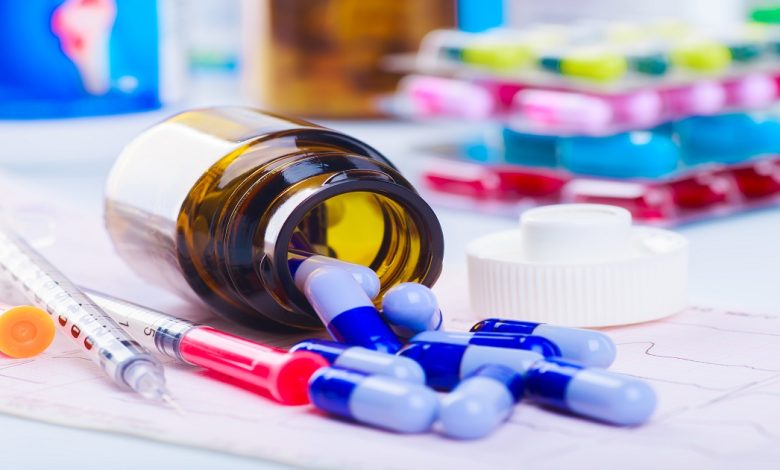
Medical treatment involves the use of clinical interventions delivered or prescribed by healthcare professionals.
Common Medical Approaches
-
Medications: Used to manage infections, chronic conditions, pain, hormonal imbalances, and more.
-
Surgery: Recommended when structural repair, removal of harmful tissue, or emergency intervention is necessary.
-
Medical devices: Includes braces, insulin pumps, pacemakers, and other tools that support bodily functions.
-
Rehabilitative therapies: Such as physical therapy and occupational therapy to restore strength and mobility.
2. Therapeutic Treatment
Therapeutic interventions are essential for conditions affecting mental, emotional, or behavioral health.
Popular Therapeutic Methods
-
Cognitive-behavioral therapy (CBT) for restructuring thoughts and behaviors
-
Psychotherapy for deeper emotional exploration
-
Family or group counseling to improve communication and support
-
Exposure therapy for anxiety, phobias, and trauma
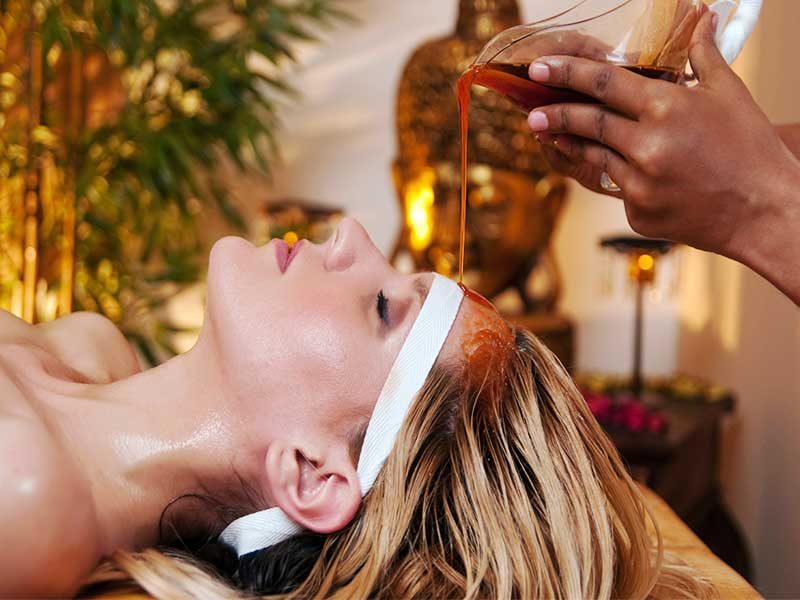
3. Holistic and Alternative Treatment
Alternative methods address the body and mind simultaneously, focusing on overall wellness.
Examples include:
-
Acupuncture
-
Herbal remedies
-
Chiropractic care
-
Meditation and mindfulness
-
Massage therapy
These approaches can complement conventional methods when supervised by qualified practitioners.
4. Lifestyle-Based Treatment
Lifestyle changes often form the foundation of long-term recovery.
Key components:
-
Balanced nutrition tailored to condition-specific needs
-
Regular exercise to improve strength, heart health, and mood
-
Sleep optimization for better immune and cognitive function
-
Stress management through relaxation techniques and environmental adjustments
How Treatment Plans Are Developed
A personalized treatment plan ensures that care matches the individual’s unique needs. Healthcare professionals typically follow a structured process:
Steps in Creating a Treatment Plan
-
Assessment and diagnosis: Identifying the exact condition
-
Goal-setting: Establishing realistic recovery milestones
-
Selecting interventions: Combining medical, therapeutic, and lifestyle strategies
-
Monitoring progress: Adjusting treatment depending on response
-
Long-term follow-up: Ensuring sustained improvement
Benefits of Early and Appropriate Treatment
Accessing treatment at the right time can significantly influence outcomes.
Major Advantages
-
Faster recovery and reduced complications
-
Improved symptom control
-
Enhanced emotional stability
-
Better long-term prognosis
-
Lower healthcare costs due to prevention of severe issues
Potential Challenges During Treatment
While treatment is beneficial, individuals may encounter obstacles such as:
-
Side effects from medication
-
Emotional discomfort during therapy
-
Lifestyle disruptions
-
Financial or accessibility barriers
Open communication with healthcare providers helps address these challenges effectively.
Tips for Maximizing Treatment Success
-
Follow prescribed instructions consistently
-
Track symptoms and progress
-
Ask questions during consultations
-
Stay honest about challenges or side effects
-
Seek support from family, friends, or support groups
Frequently Asked Questions (FAQs)
1. How do I know which type of treatment is right for me?
The best approach depends on your diagnosis, symptoms, medical history, and goals. A healthcare professional will help identify the most appropriate plan.
2. Can lifestyle changes replace medical treatment?
Lifestyle adjustments are helpful but usually work best alongside professional care rather than replacing it.
3. How long does treatment typically take to show results?
Timeframes vary widely; some treatments work within days, while others require weeks or months.
4. Are alternative treatments safe to use with medications?
Some are safe, but others may interact with medicines. Always consult a professional before combining treatments.
5. What should I do if my treatment doesn’t seem to be working?
Communicate this to your provider. Adjustments or alternative approaches may be needed.
6. Is it normal to feel overwhelmed during treatment?
Yes, many individuals experience emotional challenges. Support systems and therapy can help ease the process.
7. Can treatment prevent a condition from returning?
While not guaranteed, consistent treatment and healthy habits significantly reduce relapse risks.