
Bodybuilding Guide: Training, Nutrition, Benefits & Expert Tips
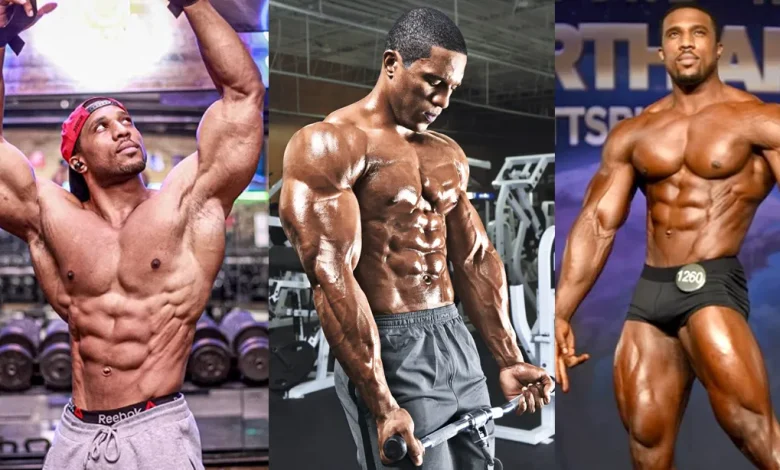
Bodybuilding is a discipline focused on developing muscle size, symmetry, and strength through a strategic combination of resistance training, nutrition, and recovery. It blends physical performance with aesthetic development, appealing to athletes, recreational lifters, and fitness enthusiasts alike.
Benefits of Bodybuilding
Builds Lean Muscle
Regular strength training stimulates muscle fibers, increasing both size and power. This leads to a more defined, athletic appearance and improved functional strength.
Accelerates Fat Loss
More muscle mass elevates resting metabolic rate. This means the body naturally burns more calories throughout the day, aiding fat reduction.
Strengthens Bones
Consistent weight-bearing exercises help improve bone density, lowering the risk of fractures and degenerative bone issues.
Enhances Mental Health
Bodybuilding supports mental well-being by boosting confidence, reducing stress, and improving focus through structured routines.
Improves Overall Mobility
Stronger muscles contribute to better posture, stability, and movement efficiency, which benefits athletes and everyday activities.
Core Elements of Bodybuilding
Training Fundamentals
A solid training plan is essential for progressive muscle development.
Key Principles
-
Progressive overload to continually challenge muscles
-
Compound lifts such as squats, deadlifts, and bench presses
-
Isolation movements for targeted muscle refinement
-
Balanced frequency, typically training each muscle group at least twice weekly
Popular Workout Splits
-
Push/Pull/Legs (PPL)
-
Upper/Lower split
-
Traditional bro split (one muscle per day)
Nutrition for Muscle Growth
Nutrition determines how well the body recovers and grows.
Essential Guidelines
-
High protein intake (0.7–1 gram per pound of bodyweight)
-
Adequate carbohydrates for workout fuel
-
Healthy fats to support hormones and recovery
-
Caloric surplus when the goal is muscle gain
Recommended Food Sources
-
Proteins: chicken, fish, beef, tofu, cottage cheese, eggs
-
Carbohydrates: oats, rice, pasta, potatoes, fruits
-
Fats: nuts, seeds, olive oil, avocados
Recovery and Rest
Muscles grow during recovery, making rest just as important as training.
Recovery Essentials
-
Quality sleep (7–9 hours nightly)
-
Active recovery days to reduce fatigue
-
Proper hydration for performance and joint health
-
Stretching and mobility work to reduce stiffness
Tips for Beginners
-
Learn correct form before adding heavy weight
-
Track training sessions to monitor improvements
-
Stay consistent to build long-term progress
-
Avoid extreme dieting that limits muscle growth
-
Be patient—body transformations take time
Common Bodybuilding Mistakes
-
Neglecting warm-ups
-
Training the same muscle group too frequently
-
Consuming too little protein
-
Lifting with poor technique
-
Overusing supplements or relying on them alone
-
Ignoring rest, hydration, and recovery cues
FAQs
1. How long before I notice muscle growth?
Beginners typically see visible changes within 8–12 weeks when training and nutrition are consistent.
2. Are supplements necessary for bodybuilding?
No. Supplements are optional tools. Whole foods provide most essential nutrients, though protein powder and creatine are commonly used.
3. Can beginners build muscle and lose fat at the same time?
Yes. This is most common during the first several months of proper training and eating.
4. How often should a beginner train?
Training 3–5 days per week is ideal, allowing for balanced workouts and adequate recovery.
5. Do I need to lift heavy to build muscle?
Weights should feel challenging, but proper form and controlled repetition matter more than lifting the heaviest load possible.
6. Is cardio helpful for bodybuilders?
Moderate cardio improves overall fitness and fat management, but excessive amounts can hinder muscle-building progress.
7. How can I prevent injuries in bodybuilding?
Warming up properly, using correct form, avoiding ego lifting, and allowing rest days are key to safe training.